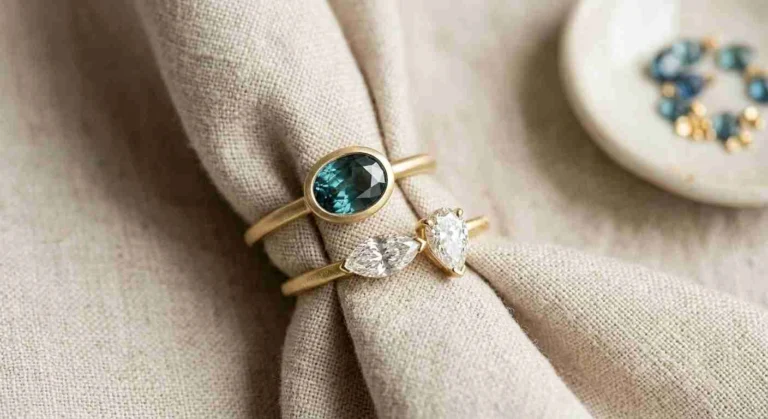
Why IGI & SGL Certification Matters For Your Ring
Buying an IGI & SGL certified diamond rings is a major emotional and financial decision. When purchasing high-value jewelry, your main goal is confirming authenticity while avoiding overpayment. Buying an uncertified diamond carries significant risk, making lab verification from IGI and SGL essential.
This straightforward guide explains what these certificates mean and how you can easily verify them. It breaks down the process in simple steps so you know exactly what to look for at the store.
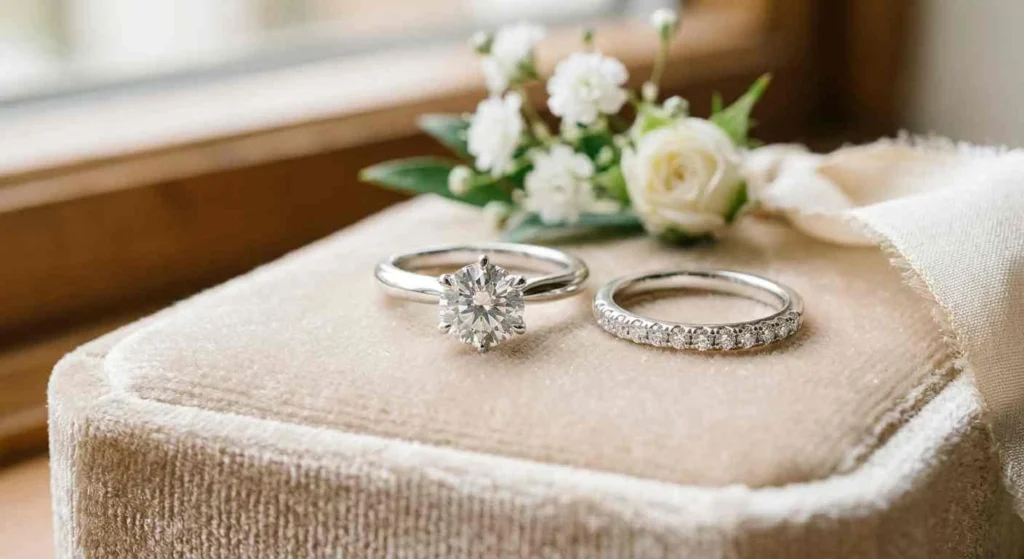
Key Takeaways
- Authenticity Proof: Lab certificates verify if a diamond is natural or lab-grown and flag any undisclosed color or clarity treatments.
- The 4Cs Blueprint: Certificates provide an objective evaluation of Cut, Color, Clarity and Carat weight, preventing inflated claims by sellers.
- Girdle Matching: An IGI & SGL certified diamond rings features a micro-laser inscription on the edge (girdle) matching the paper report.
- Resale Protection: A recognized laboratory certificate makes appraisals, trade-ins and insurance coverage seamless.
What Is An IGI / SGL Certified Diamond Ring?
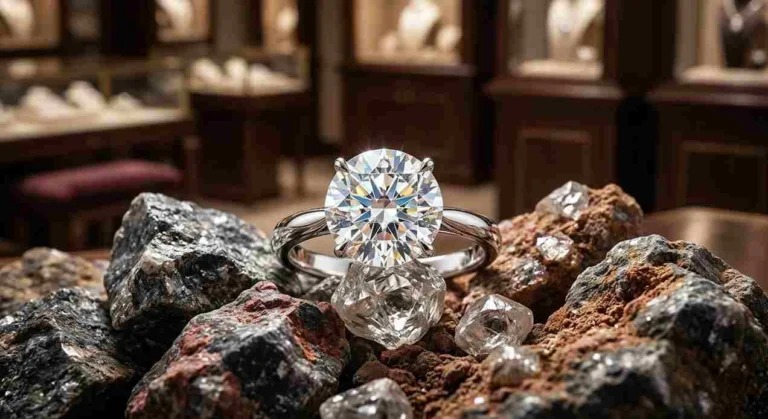
An IGI & SGL certified diamond rings includes an independent evaluation report for the centerpiece stone. IGI (International Gemological Institute) and SGL (Solitaire Gemological Laboratories) are two widely referenced laboratories in the retail market.
When you buy a certified ring, you receive a grading report issued by expert gemologists who analyze the stone using specialized lab equipment. This report acts as unbiased proof that the diamond matches the specifications claimed by the retailer.
How Does IGI Certification Compare To SGL?
While both labs serve the retail jewelry industry, learning more about IGI diamond certification helps buyers understand how global grading standards differ from regional options. Both IGI and SGL evaluate stones carefully, but their market scope and grading thresholds vary:
- Global Acceptance: IGI operates on an international scale with labs across North America, Europe, the Middle East and Asia. SGL operates primarily in regional markets such as India and the UK/Middle East network.
- Grading Consistency: International laboratories like IGI enforce strict, standardized color and clarity thresholds worldwide. Regional labs may sometimes exhibit minor variance on border-line clarity or color grades.
- Market Liquidity: If you intend to trade in or sell your IGI & SGL certified diamond rings internationally in the future, an internationally recognized report like IGI offers broader market acceptance.
Why Lab Certification Is Crucial For Diamond Buyers
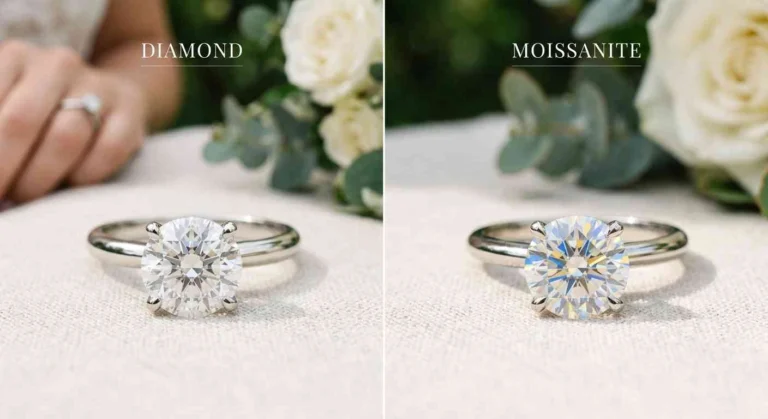
Distinguishing a genuine natural diamond from a lab-grown diamond, moissanite or cubic zirconia is nearly impossible with the naked eye. Even seasoned jewelers require specialized instruments. Certification protects buyers in three key ways:
- Detection of Synthetic & Treated Stones: Labs test whether a stone is natural, lab-created or chemically treated to alter color and clarity.
- Fair Pricing: A slight drop in color (e.g., from F to H) or clarity (from VS2 to SI2) can drop a diamond’s market price significantly. Certification ensures you pay for the true grade.
- Insurance & Legal Protection: Insurers require official laboratory documentation to assess full replacement value in case of loss or theft.
How To Verify A Certified Diamond Ring In 4 Steps
Never rely solely on a printed piece of paper. Verify the stone yourself using these standard steps:
- Inspect the Laser Inscription: Ask the jeweler to view the diamond’s edge (girdle) under a loupe or microscope to locate the laser-etched report number.
- Access the Lab Portal: Go directly to the official lab website (e.g., igi.org or your region’s official SGL portal).
- Run the Report Number: Enter the certificate number into the online database.
- Cross-Check Details: Ensure the online PDF metrics (carat weight, proportions, cut grade, inclusions chart) match your physical document precisely.
Understanding The 4Cs On Your Certificate
The core of any gemological report is the 4Cs breakdown:
| 4C Parameter | What It Measures | Practical Buying Target |
| Cut | Precision of facets and brilliance. | Aim for Excellent or Ideal for maximum light reflection. |
| Color | Presence of subtle yellow or brown tint. | D–F are Colorless; G–H offer excellent value with almost no visible tint. |
| Clarity | Internal flaws (inclusions) or surface spots. | VS1–VS2 ranges are typically “eye-clean” (flaws invisible to the naked eye). |
| Carat Weight | The physical weight of the diamond. | Choose based on personal preference and total ring budget. |
Practical Market Feedback & Real-World Considerations
Feedback across retail diamond markets highlights common patterns every buyer should keep in mind:
- Grading Discrepancies: Buyers often observe that stones graded by regional labs can sometimes be graded slightly more generously than by international tier-1 labs. A stone labeled “VS2” in a regional lab might test as an “SI1” under stricter global standards.
- Certification Costs vs. Value: Getting an IGI & SGL certified diamond rings adds a minimal fee to the production cost, but it prevents you from overpaying by double-digit percentages due to mislabeled quality grades.
Practical In-Store Checklist Before Finalizing Your Purchase
Before handing over payment for your IGI & SGL certified diamond rings, run through this quick checklist:
- Request to view the girdle inscription under magnification.
- Verify the report online on the official lab portal while in the store.
- Confirm if the certificate applies to the loose stone or the completed ring mounting (which also verifies metal purity).
- Ensure the return/exchange policy and certificate number are explicitly written on the store receipt.
Final Recommendations
Investing in an IGI & SGL certified diamond rings protects your financial outlay and guarantees transparency. Prioritize a high Cut grade for optimal brilliance, verify the laser inscription directly on the stone and always cross-check the certificate on the issuing laboratory’s official online portal before completing your purchase.
Frequently Asked Questions
Q1: Does lab certification increase the resale value of a diamond ring?
Ans: Yes. Certified diamonds are far easier to liquidate or trade in because buyers and jewellers do not need to estimate the stone’s quality the report provides an objective baseline for current market rates.
Q2: Why are SGL certified rings sometimes priced lower than IGI certified rings?
Ans: SGL certification fees are generally lower for regional manufacturers, and slight variances in grading parameters between local and global labs can lead to differences in overall retail pricing.
Q3: What should I do if my physical certificate for my IGI SGL certified diamond ring is lost?
Ans: Since the unique report number is micro-laser etched on the diamond’s girdle, any jeweler can read the number under magnification, allowing you to download or request a reprint from the official laboratory.