14K vs 18K Gold Rings | Smart Buyer’s Guide
Buying gold jewelry is exciting, but choosing between 14K and 18K gold can be confusing. When shopping online or at a local jewelry store, these are the two most popular options you will see for engagement rings, wedding bands and everyday rings.
Both types look beautiful, but they differ in purity, strength, color and price. Picking the wrong one could mean your ring scratches easily or costs more than expected. In this simple guide, we break down everything you need to know to buy with confidence.
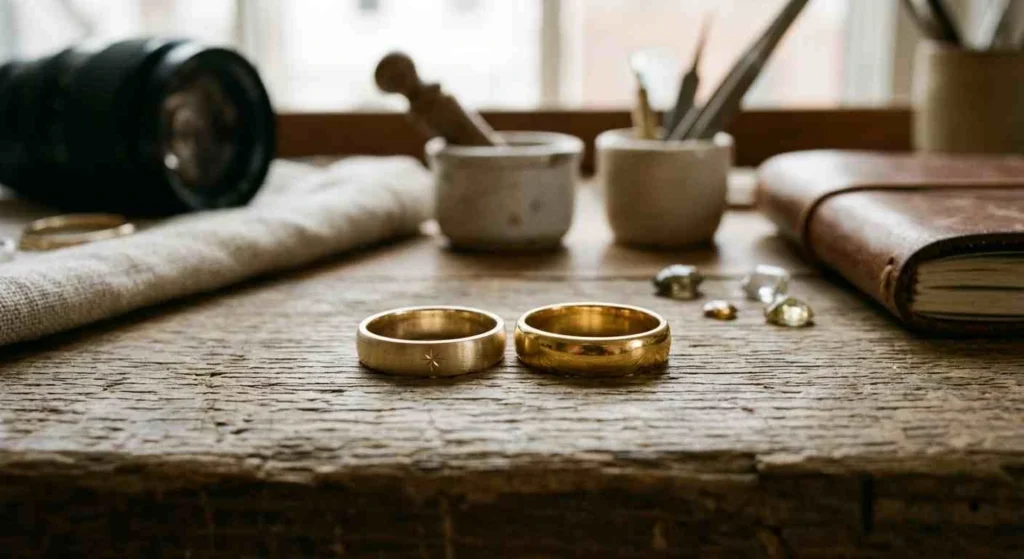
What Is the Main Difference Between 14K vs 18K Gold?
Before picking a ring, it helps to know how gold jewelry is actually made.
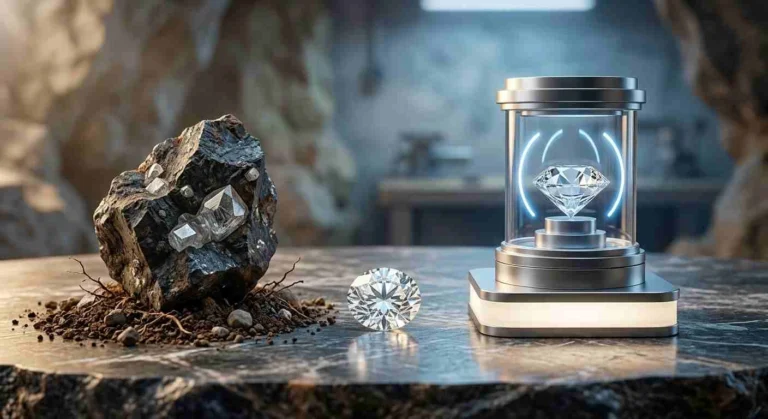
Pure gold (24K) is super soft on its own. If you wore a 100% pure gold ring every day, it would bend, dent and lose its shape almost immediately. To fix this, jewelers mix pure gold with tougher metals like copper, silver and zinc to create a stronger blend (called an alloy).
The letter “K” (Karat) simply tells you how much real gold is in that mix:
- 14K Gold: Made of 58.3% real gold. The rest is extra metal, making it tough and scratch-resistant.
- 18K Gold: Made of 75% real gold. It gives you a richer, warmer color, but it costs more and is slightly softer.
Is 14K Gold Better for Everyday Wear Than 18K Gold?
If you want to wear your ring every single day like an engagement ring or wedding band strength is a key factor when choosing between the two.
Durability Breakdown for 14K Gold Rings
Because 14K gold contains almost 42% non-gold metals, it is very hard and tough. If you have an active lifestyle, work with your hands type on a computer lift weights at the gym or do heavy housework, 14K gold is a great choice. It resists scratches, marks and bending much better.
Durability Breakdown for 18K Gold Rings
Because 18K gold has 75% soft pure gold, it is softer than 14K gold. While an 18K gold ring is safe for normal use, it will get small surface scratches and light wear marks faster. If you do hard physical work or handle rough tools, an 18K gold ring will show wear much sooner.
How Does the Color Compare Between 14K & 18K Gold?
Another big difference in 14K vs 18K gold rings is how they look. The color changes depending on whether you pick Yellow Gold, Rose Gold or White Gold.
Which Option Offers Better Value for Your Money?
Price is usually a big factor when buying a ring. Because pure gold is expensive, rings with more pure gold cost more money.
When you compare 14K vs 18K gold rings of the exact same size and style, 18K gold rings are usually 20% to 40% more expensive than 14K gold rings.
- 14K Gold Ring Value: Gives you the best mix of price, beauty and strength. You get real gold that lasts long without paying a very high price.
- 18K Gold Ring Value: Offers higher purity and luxury. If you have a higher budget and want more pure gold, 18K gold gives you high prestige.
Real Wearer Trends: What Do Jewelry Buyers Suggest?
Looking at comments and advice from real ring wearers online gives clear insights into how these options perform in real life:
- Who picks 14K Gold? People who want a ring they can wear 24/7 without worrying. Nurses, teachers and active workers love 14K because it handles daily knocks and bumps without bending or scratching easily.
- Who picks 18K Gold? People who prefer luxury and tradition. They choose 18K for its rich, warm color and don’t mind taking their ring off before working out, doing heavy chores, or handling rough objects.
Want to see what real ring owners recommend? Check out this active Reddit discussion on 14K vs 18K gold to read firsthand experiences from buyers.
How Do You Choose Between 14K vs 18K Gold Rings for Sensitive Skin?
If you experience skin redness or itching from jewelry, metal allergies (usually triggered by nickel) are often the cause.
- 14K Gold: Has a higher alloy content, which may cause mild irritation if you have a severe nickel allergy.
- 18K Gold: Containing 75% pure gold and fewer base metals, 18K is hypoallergenic and much gentler on sensitive skin.
Frequently Asked Questions
Q1. Can you wear a 14K gold ring every day?
Ans: Yes, definitely. 14K gold is built for daily wear. Its blend of pure gold and strong metals protects it from bending or scratching during regular daily activities.
Q2. Does 18K gold scratch faster than 14K gold?
Ans: Yes, slightly. Since 18K contains more soft pure gold, it picks up surface scratches a bit quicker. However, a local jeweler can easily polish them out to restore its shine.
Q3. Do 14K & 18K gold rings tarnish?
Ans: Pure gold never tarnishes, but the other metals in the ring can react to sweat, pool water or harsh chemicals. Because 14K has more base metals, it may look dull sooner if exposed to heavy chemicals. A quick rinse with mild soap and warm water easily brings back its glow.
Q4. Can you resize both 14K & 18K gold rings later?
Ans: Yes! Both 14K and 18K gold rings are easy for jewelers to resize up or down without damaging the metal, so you don’t have to worry if your ring size changes over time.