How to Choose a Wedding Ring | What Should You Look for First?
When you choose a wedding ring, the first thing to look for is how well it fits your daily lifestyle. Since you’ll be wearing it through gym workouts, busy workdays and weekend trips, you need a ring that is comfortable, durable and built to last. Once you know what fits your routine, selecting the right style and metal becomes much easier.
What is the Difference Between Engagement and Wedding Rings?
Both rings show your love and commitment, but they have completely different roles and designs:
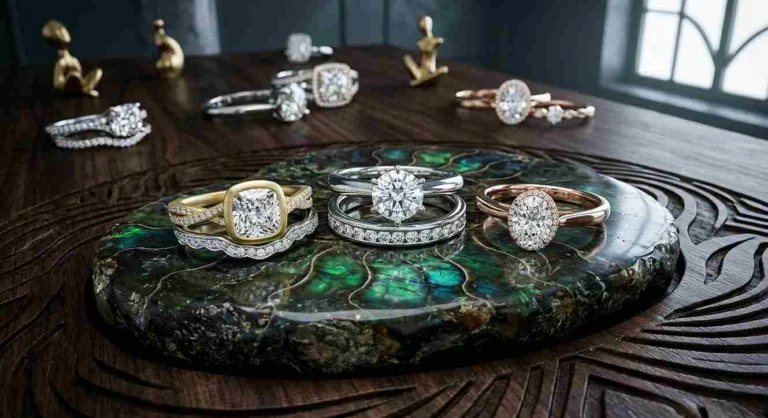
- Engagement Ring: This is the ring given during the proposal. It usually has a larger center gem, like a classic diamond or a colorful gemstone.
- Wedding Band: This is exchanged during the wedding ceremony. It’s usually simpler, flatter and can be plain metal or detailed with small stones.
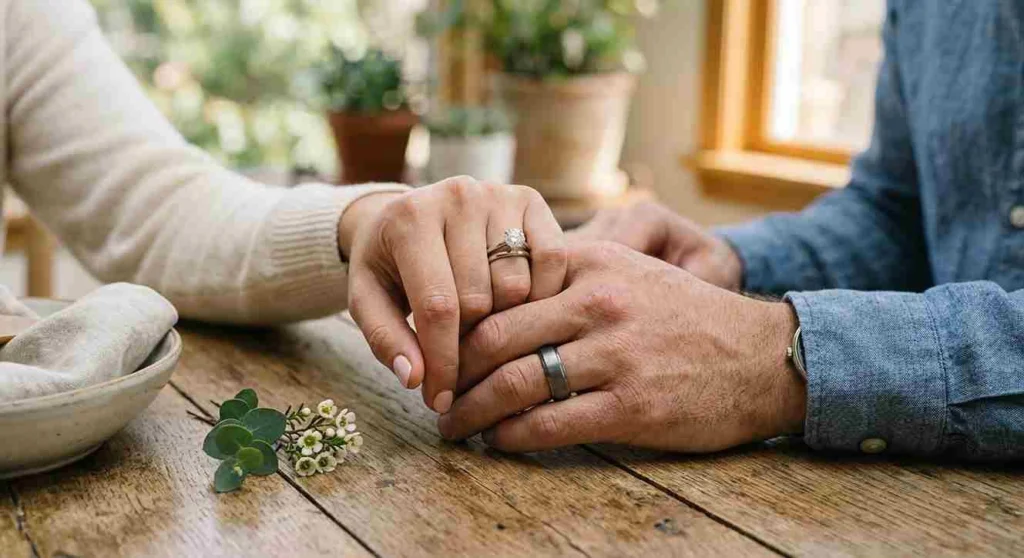
After the wedding, most people wear both rings stacked together on the same finger.
How to Set a Realistic Budget Before Shopping?
Setting a budget early saves you time and stress. Wedding ring prices vary a lot depending on the metal and whether it has diamonds:
- Silver, Titanium & Tungsten: Usually cost $30 to $150. They are very affordable and tough enough for daily wear.
- 14k Gold (Yellow, White or Rose): Typically cost $300 to $800. They give you a great balance of classic style and durability.
- Platinum & Diamond Bands: Usually start at $800 and can go over $2,000, depending on the metal weight and diamond size.
Set your budget before you start shopping so you can easily focus on what works best for you.
Which Metal is Best for Your Daily Lifestyle?
Knowing how to choose a wedding ring material depends mostly on your lifestyle and daily work:
- Gold (Yellow, White, Rose): 14k gold is mixed with stronger metals, making it tough enough for everyday wear. 18k gold has more pure gold, giving it a richer color, but it scratches a bit easier. Avoid 24k gold completely it’s too soft and bends easily.
- Platinum: Extremely durable, safe for sensitive skin and holds its bright silver look forever without fading. It is heavier than other metals and costs more, but it lasts a lifetime.
- Titanium & Tungsten: Great low-cost choices for active lifestyles. Tungsten is almost impossible to scratch, while Titanium is super lightweight and comfortable. Both are tough and budget-friendly.
How to Match Your Wedding Band with an Engagement Ring?
If you plan to wear both rings on one finger, they need to fit together comfortably without rubbing or scratching each other.
High-set engagement rings leave enough space for a simple straight band to slide right underneath. Low-set rings can leave a gap, so you might need a curved or notched band to get a smooth, flush fit.
Here are a few quick tips to keep in mind:
- Match the metals: Try to pick the same metal for both rings. A harder metal like platinum can scratch or wear down a softer metal like gold over time.
- Keep it balanced: If your engagement ring has a lot of detail or a large center stone, pair it with a plain band so they don’t fight for attention.
Deciding whether to shop together or pick your bands separately is a great way to make sure both of you get exactly what you want.
How to Choose the Best Band Profile & Comfort Level?
Beyond the metal, knowing how to choose a wedding ring shape and width determines how easy it feels to wear every day:
- Comfort-Fit vs Standard-Fit: Standard bands are flat inside. Comfort-fit bands are rounded on the inside, making them glide over knuckles easily and feel natural on your finger all day.
- Band Width & Edges: Thin bands (2mm–3mm) feel light and delicate, while wider bands (5mm–8mm) feel heavier and suit larger hands. Try to pick bands with smooth, soft edges so they don’t dig into adjacent fingers when you close your fist or type.
What Buyers Learn After Months of Daily Wear
Practical feedback gathered from long-term wearers highlights a major tip that rarely gets mentioned in store displays:
- Studio Lighting vs Real Life: High-resolution online photos use bright studio lights and digital editing. Always ask online sellers for raw, unedited indoor video footage taken in natural lighting to verify the real metal tone, thickness and shine before making a purchase.
How to Maintain and Clean Your Fine Jewelry?
Regular cleaning keeps your ring shiny and free from dirt or oil build-up. Just soak it in warm water with a few drops of mild dish soap, gently brush it with a soft toothbrush and dry it with a soft cloth.
A few easy ways to protect it:
- Avoid chemicals: Take it off before swimming in chlorine or using harsh cleaning products, as these can damage the metal.
- Store it separately: Keep it in a soft pouch when you aren’t wearing it so it doesn’t get scratched by other jewelry.
Frequently Asked Questions
Q1: Can all rings be resized later?
Ans: Most plain gold, silver and platinum rings can easily be made larger or smaller. However, rings with diamonds wrapping all the way around or metals like titanium and tungsten usually can’t be resized.
Q2: Do couples have to get matching rings?
Ans: Not at all. You don’t need matching rings. Pick whatever metal, style and fit feels best for your own hand and budget.
Q3: Which stone is best for avoiding scratches?
Ans: Diamonds are the toughest and most scratch-resistant option. Moissanite and sapphires are also extremely durable and hold up great for daily wear.
Q4: How far in advance should we order our wedding rings?
Ans: It’s best to order them 2 to 3 months before the wedding. This gives you plenty of time for custom sizing, engraving or any last-minute adjustments without rushing.