Baby & Toddler Keepsake Ring Sizing | A Simple Guide
A baby or toddler keepsake ring is a sweet gift for special days like a first birthday, christening or photo session. Because this tiny ring is meant to be saved as a happy memory forever, picking the right size is super important.
Measuring a moving baby finger isn’t always easy. If the ring is too small, it can pinch their soft skin. If it is too big, it can slip off and get lost. This guide to baby & toddler keepsake ring sizing will show you simple ways to measure your baby’s finger safely at home and choose the perfect size.
What is the Average Baby and Toddler Ring Size?
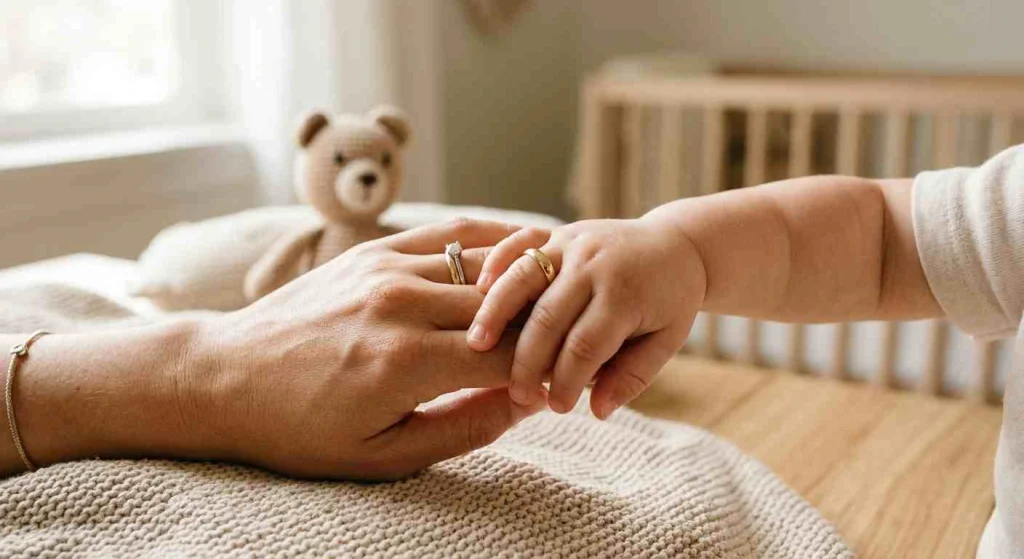
Children grow rapidly during their first three years of life and their finger sizes change just as fast. Understanding standard size ranges gives you a solid starting point for baby & toddler keepsake ring sizing before you begin measuring.
Newborn to 12 Months Ring Size
During the first year of life, most infants fit into a US ring size 0 to 1. Newborn fingers are tiny and soft. At this early stage, precision in baby & toddler keepsake ring sizing is key so that the ring sits comfortably without putting pressure on soft tissue.
Toddler (1 to 3 Years) Ring Size
As babies transition into toddlers, their hands develop full, chubby baby-fat pads. Most toddlers aged 1 to 3 wear a US ring size 1.5 to 3. Because toddlers move their hands constantly, proper baby & toddler keepsake ring sizing ensures the band accommodates movement without biting into their skin.
How to Measure Baby Finger Size at Home Safely
You do not need expensive jewelry tools to find your child’s ring size. You can easily manage baby & toddler keepsake ring sizing at home using basic household items.
The Soft Measuring Tape Method
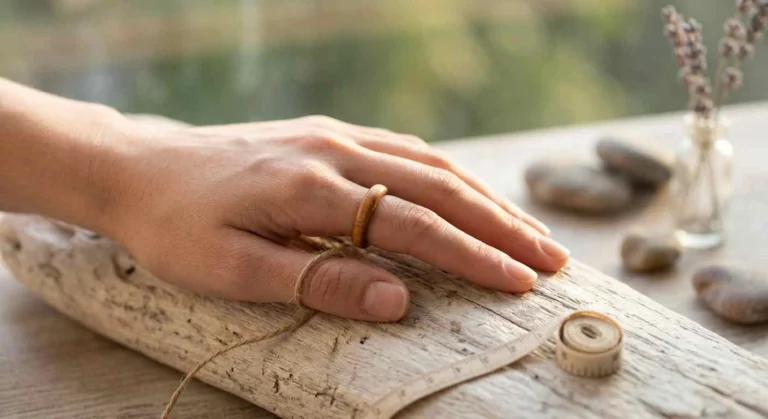
A flexible tailor’s tape is one of the most accurate tools for measuring rounded surfaces.
- Wrap a flexible, soft measuring tape around the base of your baby’s ring finger.
- Ensure the tape is snug against the skin without squeezing or pulling tight.
- Note the exact measurement in millimeters (mm).
- Match the circumference measurement against a standard US ring sizing chart.
The Paper Strip & Ruler Method
If you do not have a soft measuring tape, a simple strip of paper works well.
- Cut a thin strip of paper about 5 millimeters wide.
- Wrap the paper gently around the widest part of your baby’s finger joint (knuckle).
- Use a soft pen or marker to draw a straight mark across both layers of paper where they overlap.
- Unroll the paper strip and measure the distance between the two marks with a millimeter ruler.
- Convert the millimeter measurement into a standard ring size.
Why You Should Measure While They Are Asleep
Attempting to measure the finger of an active, awake baby often leads to incorrect numbers because they wiggle their fingers or pull away. Many experienced parents recommend taking measurements while your baby is sleeping deeply. During sleep, their hand muscles are completely relaxed, allowing you to get accurate numbers for baby & toddler keepsake ring sizing without fuss.
What Real Parents Say About Keepsake Ring Sizing
Many moms in online parenting communities, including this discussion on keepsake jewelry experiences, share that getting the right fit and ordering from reputable makers prevents ring damage or rapid growth issues. Here are the top insights gathered from parent forums:
- Avoid Exact Tight Fits: Babies experience sudden growth spurts. Buying a ring that fits perfectly today might become too tight within a few weeks.
- Consider Adjustable Rings: Many keepsake jewelry makers offer open-back or expandable bands. These designs make baby & toddler keepsake ring sizing more forgiving as your child grows, giving you longer use out of the item.
- Keep Wear Time Short: Real parents emphasize that keepsake rings should be worn primarily during supervised occasions such as photoshoots or family functions rather than for daily casual wear.
Important Safety Rules for Toddler Keepsake Rings
Safety is the top priority when introducing any item of jewelry to infants and young toddlers.
Choosing Safe, Non-Toxic Metals
Baby skin is extremely sensitive and vulnerable to contact dermatitis and allergic reactions. Always select high-quality, hypoallergenic materials:
- Solid Gold (14k or 18k): Highly durable, non-reactive and safe for delicate skin.
- Sterling Silver (.925): A high-grade choice that remains safe as long as it is free from cheap nickel alloys.
- Avoid Plated Base Metals: Cheaper metals coated in thin plating can chip away, exposing skin to nickel, lead or heavy metals that cause irritation or health risks.
Avoiding Choking Hazards and Sharp Edges
- Smooth Surfaces Only: Select simple, smooth band designs. Avoid rings with raised prongs, sharp corners or fragile gemstone settings that could scratch your child’s face.
- Secure Settings: If the ring features a small stone, ensure it is flush-set (bezel set) into the metal so it cannot loosen and pose a choking hazard.
- Supervision: Never leave a baby or toddler unattended while they are wearing a ring. Remove the ring immediately before naps, bedtime or unsupervised playtime.
How to Preserve a Keepsake Ring as Your Child Grows
Since children quickly outgrow baby rings, the true value of a keepsake ring lies in how you store and preserve it for the future.
- Transition to a Chain: Once the ring no longer fits your child’s finger, thread it onto a sturdy sterling silver or gold chain. Your child can wear it as a beautiful pendant necklace when they grow older.
- Proper Storage: Clean the ring with a soft cloth after use to remove skin oils. Store it in a padded velvet jewelry box or a sealed anti-tarnish pouch to protect it from moisture, dust and discoloration.
- Family Heirloom: Keep the ring alongside your child’s baby book or birth announcement as a memorable family keepsake to pass down to future generations.
Frequently Asked Questions
1. How tight should a baby keepsake ring fit?
Ans: A baby keepsake ring should sit comfortably around the base of the finger without leaving red pressure marks or pinching the skin. It should fit snugly enough so it does not slip off when the baby shakes their hand, yet easily slide over the knuckle when pulled gently by an adult.
2. Can a toddler wear a keepsake ring every day?
Ans: No, toddlers should not wear keepsake rings all day. Young children frequently put their hands in their mouths, play actively and fall asleep unpredictably. Keepsake rings should only be worn during supervised events, special gatherings or photoshoots.
3. What should I do if my baby falls between two ring sizes?
Ans: If your baby’s measurement sits between two standard sizes, always choose the larger size. A slightly larger ring provides extra breathing room for comfort, accounts for rapid baby growth spurts and avoids pinching soft skin.