Thin Band or Thick Band | Quick Comparison Table
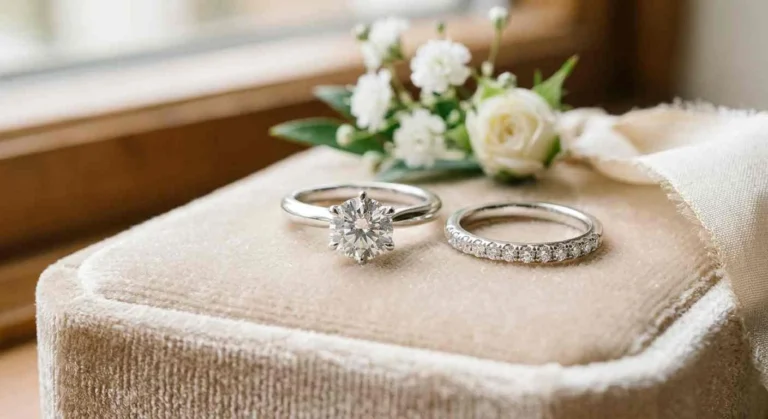
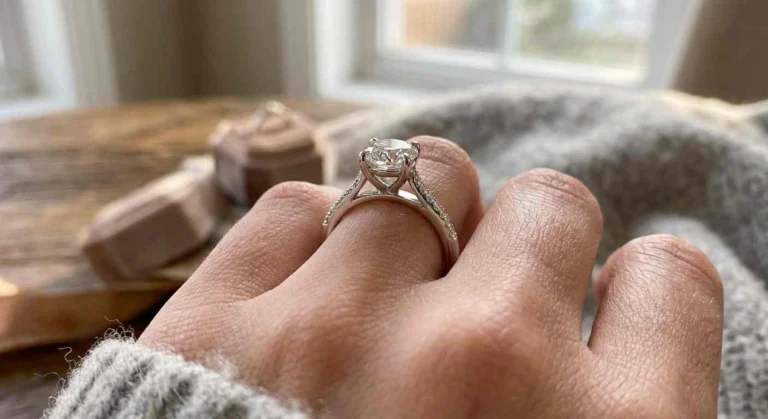
When choosing between a Thin Band or Thick Band, you are really deciding how your ring handles daily wear, comfort and visual style. Based on bench jeweler experience, a thin band (usually 1.5mm to 2mm) gives you a dainty, light weight profile that minimizes metal visibility to make your center stone pop. Meanwhile, a thick band (typically 2.5mm to 4mm) gives you a bold statement, excellent structural integrity and extra metal to prevent bending or warping.
- Thin Band (1.5mm–2mm): Excellent for a minimalist look accentuates center stone size very light weight on the finger requires extra care with heavy physical work.
- Thick Band (2.5mm–4mm+): High durability and structural strength holds detailed customization and prong settings safely offers a bold modern statement on wider fingers.
What is the Difference Between Thin Band and Thick Band Rings?
The primary difference between a Thin Band or Thick Band comes down to the physical width of the metal shank and how it distributes weight across your finger. A thin band relies on a slim profile to create an optical illusion, making your diamond appear much larger relative to the ring band. However, because there is less metal mass, an ultra-thin style demands precise craftsmanship so the ring does not experience metal fatigue under everyday strain.
Conversely, a thick band uses a wider surface area to balance larger carat weights or oval cut gems. The additional metal density allows for intricate pave work, channel settings or custom engravings. While a slender 1.5mm profile focuses all visual attention directly on the gem, a wider 3mm or 4mm shank balances the overall proportion between the gemstone and your hand.
Should You Choose a Thin Band Ring for Everyday Wear?
A thin band can work wonderfully for everyday wear if you select an appropriate thickness ideally sticking close to a 1.8mm or 2mm baseline. Deciding on a Thin Band or Thick Band for daily use requires a lifestyle check if you do heavy lifting, gym workouts or manual labor, a very narrow 1.2mm ring can suffer physical stress.
- Dainty Aesthetics: Creates a seamless, delicate solitaire appearance.
- Comfort First: Reduces finger contact, making it feel almost weightless during typing or daily tasks.
- Layering Ease: Stacks cleanly alongside an anniversary band or wedding band without taking up too much room on your knuckle.
Is a Thick Band Ring More Durable for Long-Term Use?
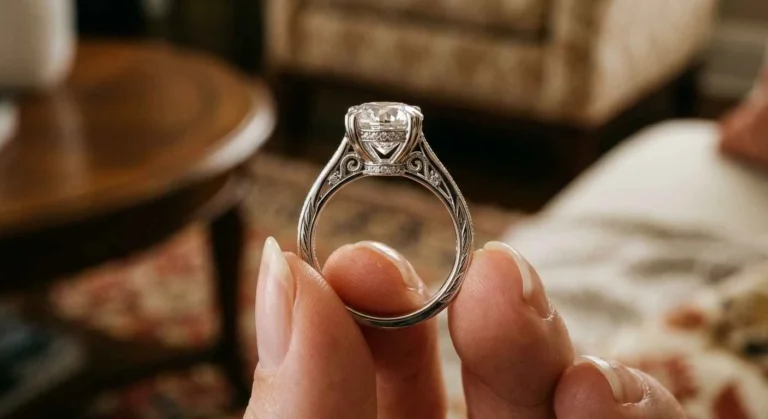
Yes, a thick band offers significantly higher durability for long-term daily wear. With greater metal volume, wider shanks resist bending, dents and scratches much better over decades of continuous use. The structural support helps secure prong settings and heavy stones, ensuring your setting stays structurally sound even if you bump your hand into hard objects.
Using dense precious metals like platinum or 10k gold on a wide band ensures maximum structural integrity. While 14k gold works nicely, wider widths give softer high-karat gold the mechanical support it needs to avoid structural deformation. If you want a piece that lasts a lifetime with minimal structural maintenance, evaluating a Thin Band or Thick Band for durability makes a wider shank the most reliable option.
How Does Band Width Affect Ring Sizing and Finger Comfort?
Band width directly changes how a ring fits on your hand. Whether you pick a Thin Band or Thick Band, wider rings cover more skin surface, trapping heat and creating extra friction against adjacent fingers. As a result, a wider style will feel tighter than a slender wire ring of the exact same size.
- Sizing Adjustments: Most jewelers suggest sizing up by a quarter to a half size when buying a 3mm to 5mm band.
- Temperature Sensitivity: Wider bands retain heat and cold more noticeably, causing tight sensations when hands swell.
- Finger Proportions: Slim, narrow bands elongate shorter fingers, while wider profiles anchor longer or wider fingers smoothly.
Real Wearer Experience: What People Say on Social Media
Real wearers across community discussions offer invaluable insight into how these rings perform over time. On platforms like Reddit and YouTube, wearers evaluating a Thin Band or Thick Band frequently note that while ultra-thin 1.3mm settings look stunning in product photography, they often warp when carrying heavy items or working out. Many ring owners emphasize that 1.8mm to 2mm is the true “sweet spot” for combining a dainty look with reliable safety.
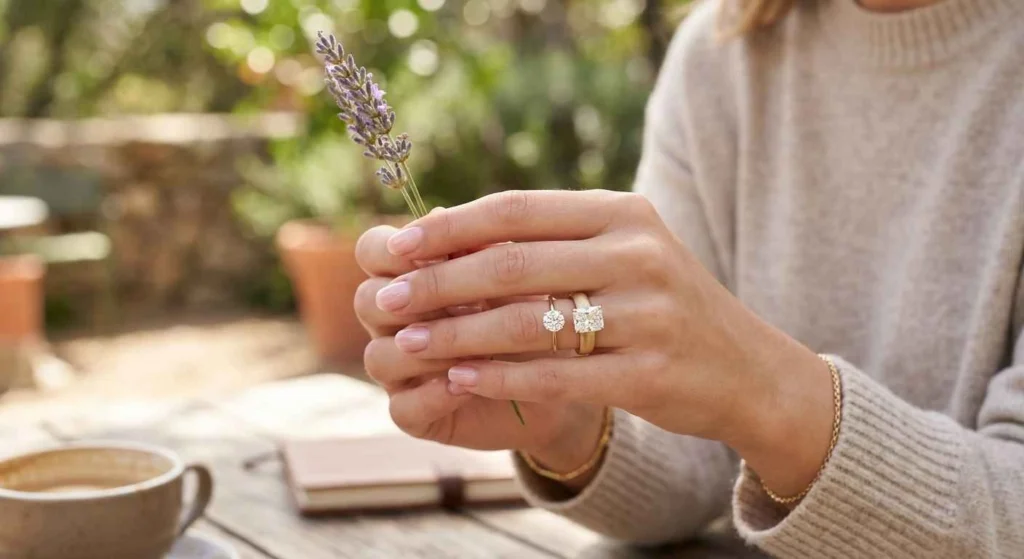
Additionally, users sharing their bridal stacks emphasize how ring band width changes the overall hand perspective. Those pairing an oval solitaire with a thick pave or double gallery band mention that wider bands provide a solid, anchored feel that keeps heavy center stones from spinning sideways throughout the day.
For real-life experiences and community discussions on choosing a Thin Band or Thick Band, you can check out what other ring wearers recommend on Reddit.
How to Decide Between a Thin Band or Thick Band Engagement Ring?
To choose the best width when choosing a Thin Band or Thick Band, weigh your personal preferences, hands-on habits and overall jewelry goals. Try placing everyday coins against your finger to visualize different millimeter dimensions before making your decision.
- Select a Thin Band if: You want a delicate visual frame, prefer a light weight feel, want your center stone to look as large as possible and have a low-impact daily routine.
- Select a Thick Band if: You lead an active lifestyle, prefer bold, modern jewelry, need high durability or want to add detailed engravings and accent stones.
Frequently Asked Questions
1. What is the most popular ring band width?
Ans: For engagement styles, 2mm to 2.5mm is the most popular range because it offers an ideal balance of strength, comfort and elegant proportion.
2. Will a wider band make my diamond look smaller?
Ans: Yes, a wider band creates more visual contrast around the gemstone, which can make the center stone appear slightly smaller compared to a thin shank.
3. Can you resize thin and thick bands easily?
Ans: Thicker bands offer more metal mass for resizing, whereas ultra-thin bands with full pave diamonds can be delicate and expensive to resize without damaging structural settings.